

By Taiwo Omoniyi OTITOLAYE
On Yoruba Historical Continuity
September 2026
1.0 PREAMBLE
History, no matter how manipulated, cannot be erased. The land, the language, and the people remain as living evidence.
This paper addresses the ongoing discussions over the traditional status of Jebba and Lokoja, and the cultural identity of Ilorin.
This writer asserts that administrative decisions of the 19th and 20th centuries by the British Overlords who coerced the amalgam of several diverse Nations into an unworkable country
cannot override centuries of Yoruba settlement, governance, and cultural continuity.
2.0 HISTORICAL FOUNDATION: OYO EMPIRE AND THE NIGER BENUE CONFLUENCE
2.1 Jebba
- From the 17th to early 19th century, Jebba was a provincial town under the Oyo Empire. The Oba of Jebba paid tribute to the Alaafin.
- Jebba controlled a strategic crossing of the River Niger and was part of Oyo’s trade and military corridor to Nupe and Borgu.
- The stool of Oba of Jebba predates the Ilorin Emirate and derives authority from Oyo, not Sokoto.
2.2 Lokoja
- Lokoja at the confluence is derived from Yoruba “Loku Oja” – meeting point of markets/rivers.
- Before 1804, Lokoja was within the sphere of Oyo, Nupe and Igala interaction. Yoruba traders, soldiers and settlers were present.
- No record shows Lokoja as a Fulani town prior to the 19th century jihad expansion.
2.3 Ilorin
- Ilorin was not founded by Aare Ona Kakanfo Afonja. It has always been an Oyo military camp with previous rulers like Pasin, Alagbin before Afonja.
- Yoruba remains the dominant language of commerce, home and street in Ilorin to date.
- Place names, chieftaincy titles, and festivals – Oja Oba, Oja Iwe, Egungun, Bata – are Yoruba in origin.
2.4 THE LIVING EVIDENCE: LANGUAGE AS TITLE DEED
One of the most remarkable realities in Ilorin is that after over 200 years, YORUBA remains the spoken language in all the markets, motor parks, and similar public places and gatherings.
This is not ceremonial. This is daily life and lived experiences.
This is how people buy, sell, greet, quarrel, and pray.
In a global historical society, language is a natural pointer to the ownership and origin of any community.
“Conquerors”-British (sick) can change administration. Colonialists can redraw boundaries. But they cannot make a people forget the language of their mother, their market, and their ancestors.
The fact that Yoruba is still the lingua franca of Ilorin after two centuries of Emirate administration proves continuous cultural occupancy. That is evidence recognized by law, by anthropology, and by natural justice.
2.5 LOKOJA: THE OWORO YORUBA FOUNDATION
Lokoja is ancestral Oworo-Yoruba land.
The Oworo people, a Yoruba sub-group, were the original owners and settlers of Lokoja and the surrounding areas extending down to the Kainji Dam axis.
The name “Lokoja” itself derives from Yoruba “Loku Oja” – the meeting point of rivers and markets.
In 1968, the construction of Kainji Dam led to the resettlement and displacement of many Oworo communities whose lands were submerged.
Despite this forced movement, the cultural and ancestral claim remains.
Today, Lokoja is a multi-ethnic confluence city.
.
However, the presence of Oworo-Yoruba as the first settlers, the Yoruba etymology of the name, and the continued use of Yoruba in commerce constitute living evidence of original ownership.
Forced resettlement by a government project does not extinguish indigenous right.
3.0 THE ISSUE OF ORIGIN AND ADMINISTRATIVE IMPOSITION
3.1 On Uthman Dan Fodio
Official records claim Dan Fodio was born in Maratta, Gobir 1754.
However, contested Hausa oral traditions state he was not indigenous to Gobir but came in as a migrant cleric. This dispute shows that colonial and post-colonial textbooks presented one version as absolute truth while suppressing others.
3.2 The 19th Century Transformation
The wars of 1804-1829 led to the emergence of the Ilorin Emirate under Sokoto. This was a *political and military arrangee of the British who aided the Fulani occupation of Ilorin. It is not a demographic replacement. Ilorin remained multi-ethnic settlement but Yoruba in language, culture, and ownership. The ownership played out during Justice Mbanefo panel sitting in Ilorin. The panel’s findings revealed a City of a Yoruba overwhelming of 86%.
3.3 Colonial Boundaries 1900-1967
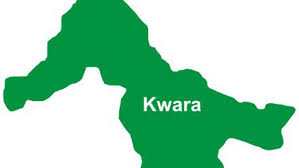
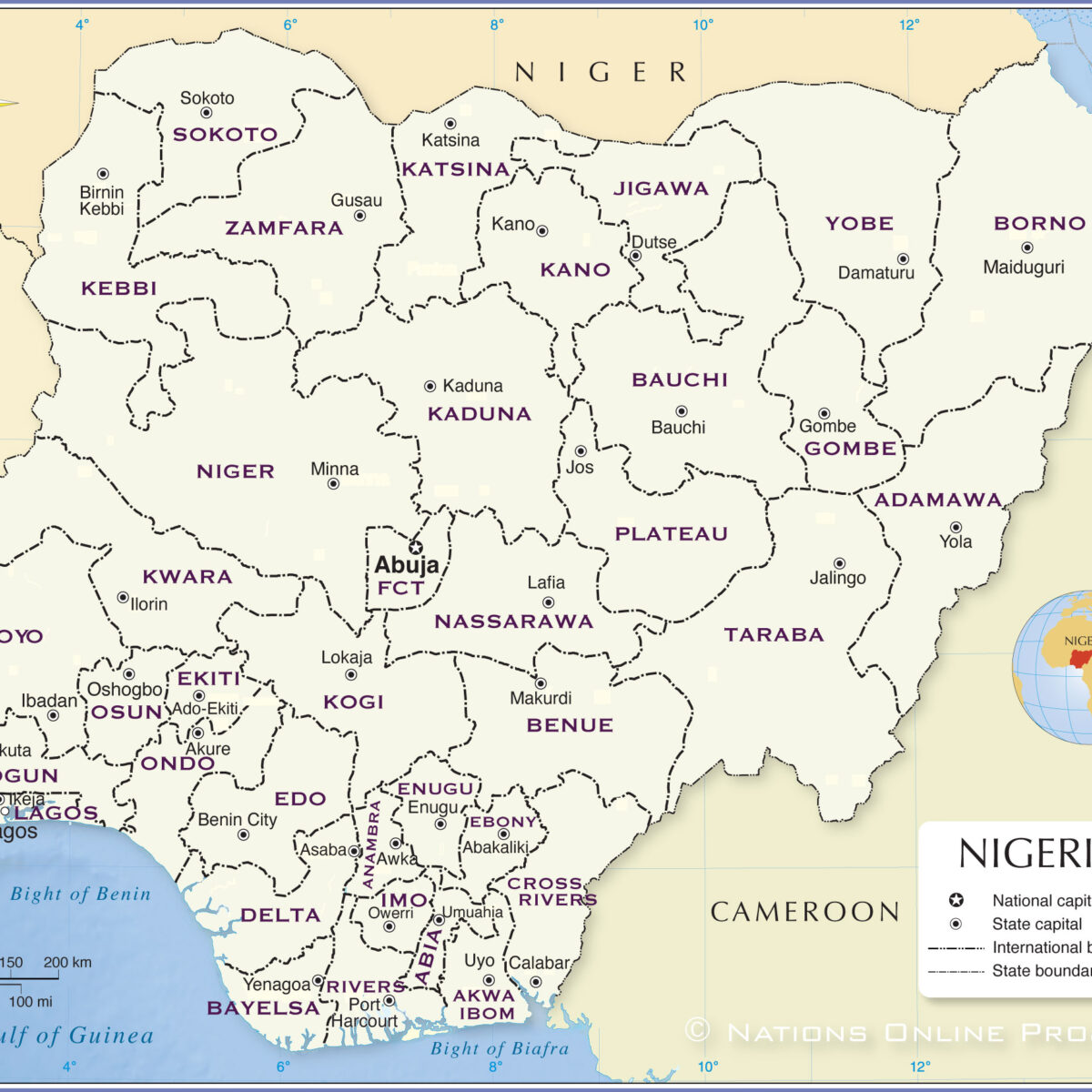
The British amalgamated Ilorin and Kabba Provinces into Northern Nigeria. In 1967, West Central State was created and later renamed Kwara after River Kwara/Niger.
These were administrative decisions for colonial convenience and conivance with the Fulani who influenced General Yakubu Gowon to immediately reversed the name from West Central State to Kwara. A name alien to YORUBA.
This manipulative exigencies did not extinguish prior historical rights.
3.4 THE CONSTITUTIONAL “ARRANGEE” OF 1960: THE MOCK BATTLE OF GINGIYYA
On September 30th 1960, the eve of independence, the final constitutional “arrangee” was concluded in London.
The 1959 census and regional structure gave the North 50% of parliamentary seats. This guaranteed that political power at the center would reside within the structure created by the 1903 British-Sokoto arrangement.
What was celebrated on October 1st 1960 as “Independence” was, in political reality, the handover of the Nigerian Nation -state to the Caliphate structure the British had empowered since 1903.
This was not war with guns. This was the Mock Battle of Gingiyya – fought with census figures, constitutional clauses, and administrative boundaries and manipulations
Just as 19th century military imposition sought to redraw Yoruba towns, the 1960 constitutional settlement sought to freeze that imposition into law.
But administrative decisions, whether military or constitutional, cannot erase first settlement, language, and continuous cultural practice.
4.0 THE PRINCIPLE OF NATURAL JUSTICE AND CONTINUITY
Natural justice holds that:
First settlement and Continuous cultural practice equal to Original Right.
- Jebba: The Oba of Jebba’s stool traces to Oyo. Reports of withheld statutory remuneration since 2003 and attempts at subordination to Ilorin Emirate violate this principle.
- Lokoja: An ancestral Oworo-Yoruba town. Displacement by Kainji Dam did not erase ownership.
- Ilorin: No matter the twist and betrayals, the cultural DNA remains Yoruba.
5.0 THE GLOBAL CONTEXT: CORRECTION OF HISTORICAL RECORDS
The world is now correcting centuries of distorted records.
In 2024-2025, during the United Nations General Assembly, the African Union officially presented and adopted the corrected equal-area map of Africa. This ended 500 years of the Mercator Projection that shrank Africa’s landmass.
If geography can be corrected at the UN, then history, boundaries, and traditional rights can also be corrected using gazettes, treaties, archaeology, and oral evidence.
Truth, once buried, will always emerge.
The time and day is still coming when the world will know the exact position of the Equator, and the Center of the World. This period will surely come because it’s the natural process of life.
6.0 SPIRITUAL AND MORAL PRINCIPLE
The fight is never about who is human. The struggles are about justice, recognition, cultural identity, and not erasing the root of a people.
We are all Souls first — whether Yoruba, Fulani, Hausa, English or Indian.
We seek restoration, not domination. All peoples have right to their history and dignity.
Therefore, this claim is not against any ethnic group. It is for the preservation of truth for all.
7.0 RECOMMENDATIONS
We call on the Kwara State Government, Kogi State Government, the National Council of Traditional Rulers, and the Federal Government of Nigeria to:
- Review all Gazettes and Chiefs Laws from 1958 to date regarding Jebba and Lokoja to reflect original status.
- Recognize the independent status of the Oba of Jebba based on pre-1804 Oyo records and continuous tradition.
- Reaffirm the Oworo-Yoruba as the original owners of Lokoja and constitute a commission to address resettlement and traditional rights post-Kainji Dam.
- Desist from ethnicizing history. Disputes over stools should be settled by law, documents, and evidence, not by 19th century narratives.
- Constitute a Historical Boundary Commission to document pre-colonial Yoruba, Nupe, and Igala towns along the Niger-Benue corridor.
8.0 CONCLUSION
Ilorin is a Yoruba town. Jebba and Lokoja are Yoruba towns with deep historical roots in the Oyo Empire and Oworo heritage.
Later administrative impositions and forced resettlement cannot erase this.
History should illuminate the present, not be conscripted into ethnic politics.
Let the gazettes speak. Let the law decide. Let the truth stand.
This position paper is written by Taiwo Omoniyi OTITOLAYE.
National Coordinator Oodua Liberation Movement (OLM)
Footnotes:
- AU/UN General Assembly 2024-2025: Adoption of equal-area projections to reflect Africa’s true size.
- Oyo Empire records and oral traditions of Jebba, Lokoja, Ilorin, Oworo.
- 1958 Chiefs Law of Northern Nigeria, 1967 State Creation Decree, 1968 Kainji Dam Resettlement Records.